
There is a highly specific, stomach-dropping kind of dread that washes over you when you see a neon "Missing Pet" poster stapled to a telephone pole in Plainfield. It’s the ultimate pet parent nightmare. We look at our own dogs and cats, who currently think the vacuum cleaner is an apex predator and regularly trip over their own feet, and completely panic at the thought of them surviving in the wild.
April 17-23 is National Pet ID Week, and it is the absolute perfect excuse to make sure your pet’s identification is completely foolproof. Because preventing that heartbreaking missing poster scenario is entirely in our control, but it takes a little more effort than just slapping a tag on a collar once in 2018 and hoping for the best.
The First Line of Defense: The Classic ID Tag
Let's be real: our pets might act like fierce, independent survivalists when they bark at the mail carrier through the front window, but they actually have zero street smarts.
If your dog decides to take an unauthorized solo stroll down Lockport Street, a physical ID tag is the fastest ticket home. If a friendly neighbor finds them wandering, they don’t need specialized equipment to figure out where they belong—they just need your phone number right there on the collar. It is instant, it is easy, and it works.
The Invisible Safety Net: The Microchip
However, we live in reality, and in reality, collars break. Tags fall off, the engraving wears down into an unreadable smudge, or collars get snagged on fences during a great escape.
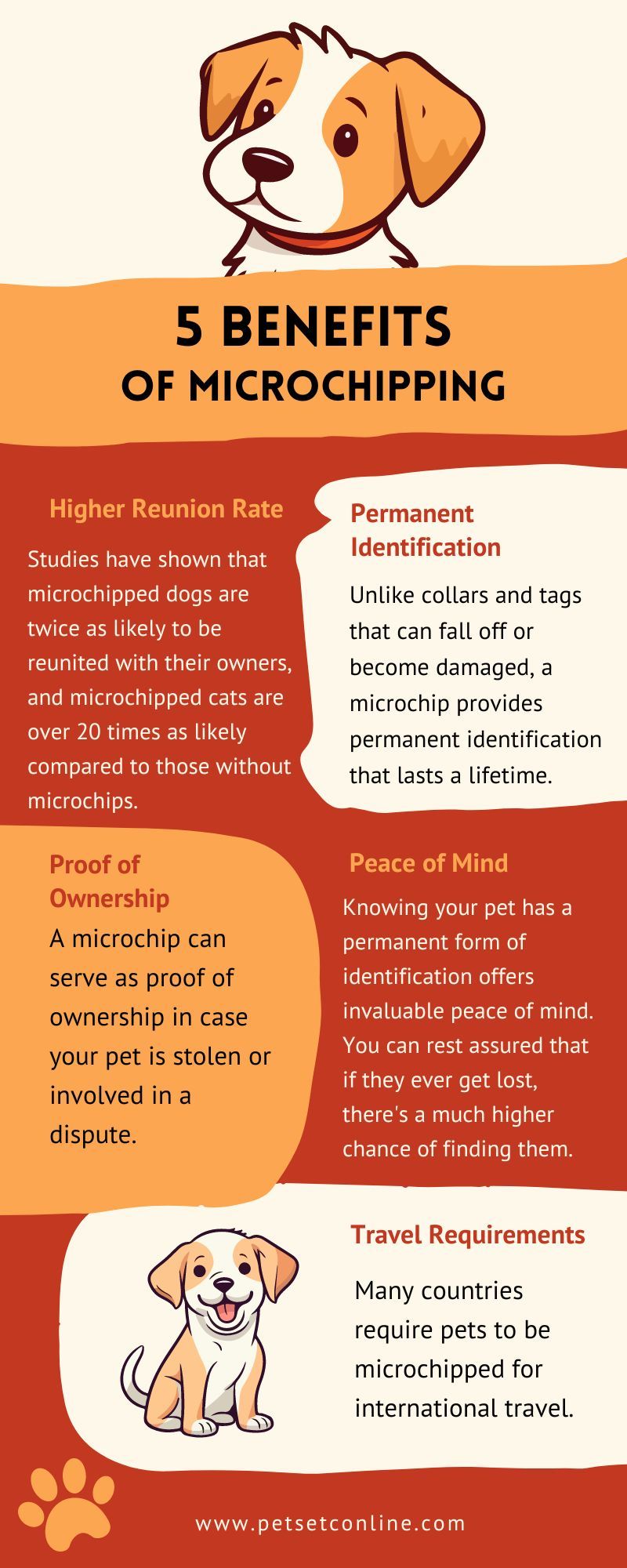
Enter the microchip: your invisible, permanent backup plan. It's a tiny implant, roughly the size of a grain of rice, that sits right under the skin. Any vet clinic or local shelter can scan it to pull up your contact information.
The "Gotcha" Moment: ID is Not "Set It and Forget It"
Here is the dramatic plot twist that most pet parents don't realize: a microchip is not a magic GPS tracker, and it is definitely not a one-and-done chore. A chip only works if the data attached to it is accurate and accessible.
- Did you move? Even just down the street?
- Did you get a new phone number?
- The Big One: Did the company that manages your pet's microchip registry merge, change names, or go out of business? (Spoiler alert: this happens way more often than you think!)
Having a microchip with a disconnected phone number or a defunct database is like carrying around a house key to a lock that’s been changed.
Your homework for this week: Log in to your pet's registry online today to verify your contact info is correct and the database is still active. Then, at your pet's next annual vet visit, ask the doctor to do a quick scan of the chip to ensure it hasn't migrated and is still reading perfectly.
The Pets Etc. Promise
Full transparency: we do not manufacture ID tags or inject microchips here at Pets Etc. But as obsessive pet parents ourselves, we care deeply about keeping our local pets safe.
If you have a new rescue pup or kitten, or just need advice on the best local clinics and shelters in the Plainfield area to get chipped, talk to us! Let us know the next time you are in the store. We live and work in this community, and we are more than happy to point you in the right direction.
Plus, every shiny, updated ID tag deserves a fabulous new collar to hang from. And if you do drag your dog or cat to the vet to get their chip scanned and updated, you are legally and morally obligated to stop by Pets Etc. afterward for a high-value apology treat and a shiny new toy. They earned it, and honestly, after dealing with the vet, you did too.