
Up until about a year ago, my cats, Zelda and Bosco, were strictly dry cat food enthusiasts. I never really thought much about it. They ate their kibble, they took their afternoon naps, and peace reigned in our house.
Then, we ended up with a few free samples of wet cat food and decided to treat them.
Holy shiz, things changed overnight. They were obsessed.
It has gotten to the point where—and I swear I’m not just exaggerating for a cute intro—they will actively form a blockade in front of the coffee maker in the morning. They will not allow me to get even a single drop of caffeine until I crack open a can of wet food. (And even then, I have to politely... ish... push Zelda out of the way because she doesn’t quite understand that tin cans and pop-top lids are sharp, and she is decidedly not made of metal).
We have already debated the pros and cons of wet versus dry food for dogs on this blog. We aren't doing that here. Experienced cat parents know that we don’t actually have a say in what our cats eat, that is up to our feline masters. Instead, let’s talk about wet cat food itself: why it’s so good for them, how to decode the weird textures, and why some of the labels sound like they belong in a witch’s cauldron.
Why Do Cats Go Absolutely Feral for Wet Food?
Aside from the fact that it smells like a seafood market to their hyper-sensitive noses, there is a biological reason your cat treats canned food like culinary gold.
In the wild, cats are notoriously poor drinkers. Their ancestors got roughly 70% to 80% of their daily water intake directly from their prey. Domestic cats still have that low thirst drive, meaning they rarely drink enough water from a bowl.
Wet cat food is typically 75% to 85% moisture. Providing canned food isn't just a tasty bribe to let you use your own coffee maker—it is a critical hydration source that supports kidney function, urinary tract health, and healthy digestion.
Paté, Shreds, and Mousse: Decoding the Textures
If you have ever bought a can of wet food only to watch your cat look at you with utter disgust, you already know: texture is everything. Cats are notorious texture snobs. Here is a quick breakdown of what is actually happening inside those cans:
- Paté: The classic loaf. It’s smooth, dense, and uniform. It is great for cats who like to lick their food rather than chew, or for senior kitties with sensitive teeth. (Pro tip: If your cat thinks paté is too thick, mash it up with a spoonful of warm water to make a rich gravy).
- Shreds, Flakes, & Bits: Exactly what it sounds like—real pieces of meat or fish served in a broth, gravy, or gel. Cats who like to chew or who demand "whole prey" vibes usually go for this.
- Mice/Mousse & Soufflé: An ultra-whipped, airy, and creamy texture that is even smoother than paté. It is basically the fine dining dessert of the cat world.
Do Cats Actually Care About Specific Flavors?
Yes, absolutely. While dogs will happily eat the exact same chicken kibble for eight years without a single complaint, cats have strong, distinct flavor preferences—and they aren’t afraid to change their minds overnight.
Cats are obligate carnivores, meaning they require animal protein to survive. They don't taste sweetness, but they are incredibly tuned into amino acids, fats, and umami flavors. Some cats are die-hard poultry purists (chicken, turkey, duck), while others will stage an absolute riot if they aren't served seafood (salmon, tuna, mackerel).
Let’s Talk About the "G-Word" (What Even Are Giblets?!)
I am going to be real with you: I get physically nauseous every time I read a cat food label that proudly advertises "WITH GIBLETS" (vomit emoji). Why are we putting that on the front of the can?!
However, as gross as it sounds to human sensibilities, giblets are absolute superfoods for cats. "Giblets" is simply the culinary term for the edible internal organs of poultry—typically the heart, gizzard, and liver.
While we might prefer a boneless, skinless chicken breast, muscle meat alone doesn't contain all the nutrients an obligate carnivore needs. Organ meats are nature’s multivitamin. They are densely packed with essential amino acids like taurine (which cats cannot synthesize on their own and must get from their diet for heart and eye health), as well as iron, B vitamins, and vitamin A.
So yes, the word "giblets" is horrifying to read before you've had your morning coffee. But to Zelda and Bosco, it is the peak of luxury.
The Pets Etc. Feline Menu
Whether your cat is a paté purist, a seafood snob, or a demanding morning kitchen warden, we have their favorite menu items stocked and ready.
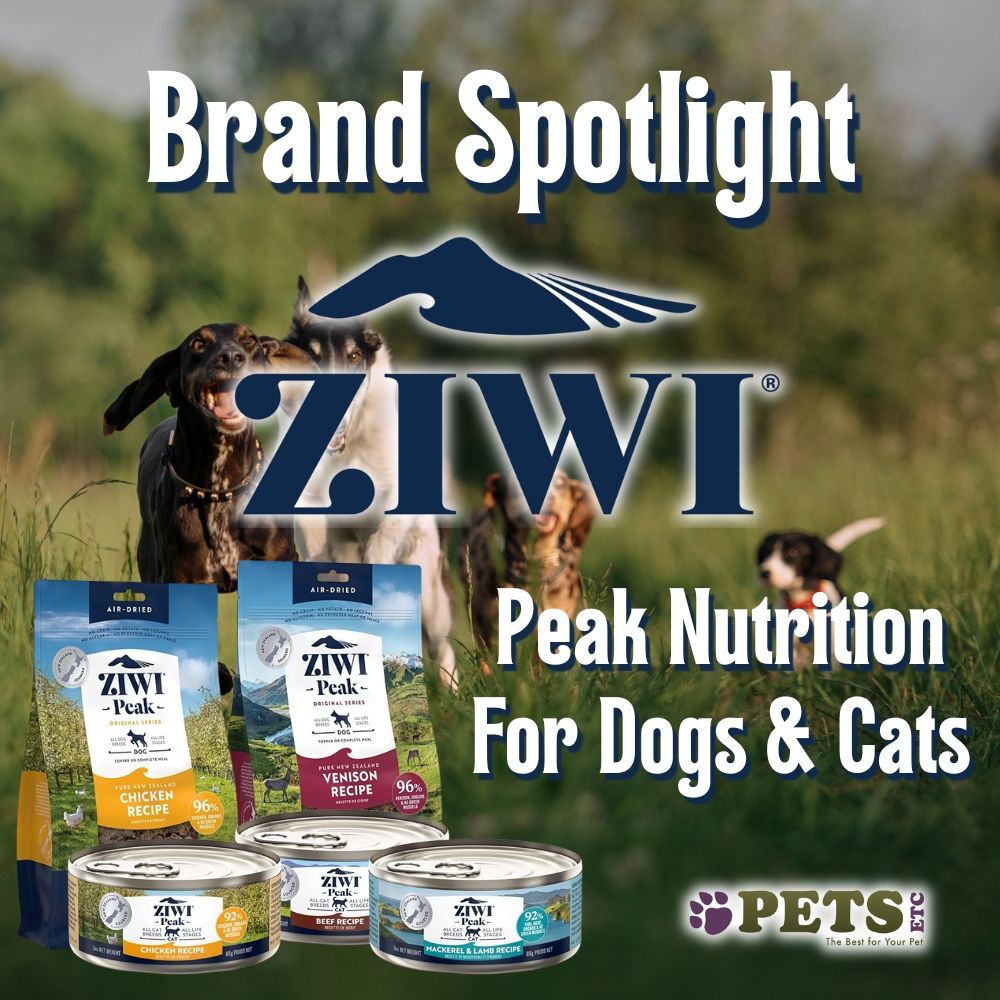
We carry a carefully curated selection of high-moisture, nutrient-dense wet cat foods from the most trusted brands in pet nutrition, including:
Stop by Pets Etc. in Plainfield this week to pick up a few cans. Your cats will get the vital hydration and protein they need—and you might just earn the right to use your own coffee maker in peace!